Does Your Child Struggle with Fine Motor Skills? Here’s How OT Can Help

Is your child experiencing trouble with simple things like tying their shoes, buttoning their shirt, or carrying a pencil the right way? These problems might not just be normal clumsiness; they could be symptoms that your child is having trouble with their fine motor skills. Occupational therapy (OT) may help a lot, which is a good thing.

We’ll talk about how OT helps kids who have trouble with hand-eye coordination, handwriting skills, and pencil grip in this blog article. We’ll also talk about how to tell if your child needs help.


What are fine motor skills, and why are they important?

Fine motor abilities employ the little muscles in the hands, fingers, and wrists to do things that need to be done exactly, like:

  • Writing and painting
  • Cutting with scissors
  • Zipping up coats or buttoning shirts
  • Eating with cutlery
  • Playing with blocks or puzzles

When these talents aren’t fully developed, it can make it hard for a youngster to do everyday things, do well in school, and feel good about themselves in social situations.


Signs Your Child Might Have Trouble with Fine Motor Skills

Kids grow up at their own rate, but if they keep having problems in the following areas, they may require help:

  • Bad hand-eye coordination whether playing catch, coloring, or using utensils 
  • Illegible or slow handwriting skills
  • Wrong or strange ** A pencil grip that makes your hands tired 
  • Not wanting to do things like drawing, writing, or cutting 
  • Getting angry when doing fine motor chores at school or home

If any of this sounds like you, you might want to think about getting an examination from an occupational therapist.


How Occupational Therapy Can Help

Occupational therapy (OT) helps kids become more independent in their everyday lives by helping them develop their physical, mental, and emotional abilities. OT gives youngsters who are having trouble with fine motor skills specific ways to improve their strength, coordination, and accuracy.

Here is how OT helps in some areas:

Making hand-eye coordination better

OTs employ games and activities to improve hand-eye coordination, like:

  • Putting beads on thread 
  • Playing catch or ball games 
  • Picking up little things with tweezers 
  • Tracing lines and figures

These games make the link between what the eyes perceive and how the hands respond stronger, which is important for doing well in school and having fun.

Improving your handwriting skills

A lot of kids who have trouble with fine motor abilities often have trouble with their handwriting skills. Therapists utilize planned activities to help kids:

  • Make your fingers and hands stronger and more stable 
  • Learn how to write letters correctly 
  • Make your writing easier to read and space out 
  • Write for longer periods of time

Kids who don’t like to write typically love these sessions since they are meant to be enjoyable and interesting.

Fixing how you hold the pencil

Holding a pencil the wrong way might make you tired, lose control, and get angry. OTs help kids get a better pencil grip by:

  • Showing how to hold the pencil correctly 
  • Using items that make writing easier, including pencil grips or slant boards 
  • Writing with different types of pens and papers

Fixing pencil grip early on may make a big difference in how well you write and how sure you are of yourself.


What to Expect During an OT Session

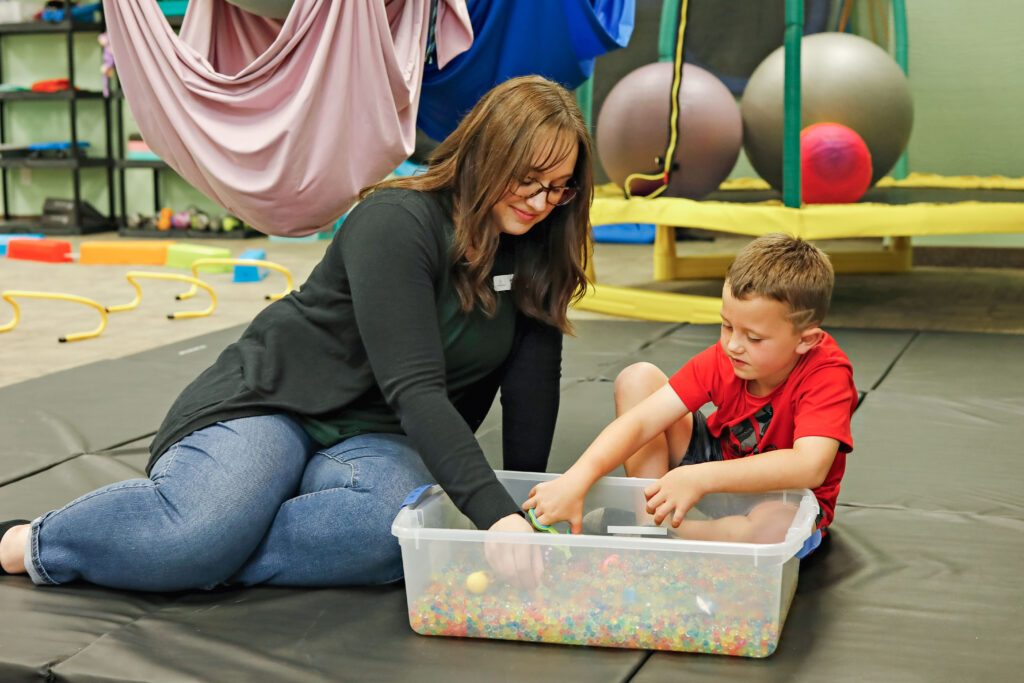
Your kid will do hands-on, play-based activities that are tailored to their age and interests during an OT session. A usual session might include:

  • Games that increase strength 
  • Tasks that combine visual and motor skills 
  • Activities that are favorable to the senses 
  • Practice with writing or cutting

Therapists work with parents and caregivers to make sure that things are the same at home and at school.


The Benefits of Early Intervention

Early help may make a huge difference in how well a child develops their fine motor skills. When kids get better at hand-eye coordination, handwriting skills, and pencil grip, they not only do better in school, but they also feel more confident, independent, and happy about learning.


Last Thoughts

Don’t delay if your youngster is having trouble with fine motor skills. Occupational therapy has been shown to help kids do well. If your child has trouble with their hand-eye coordination, handwriting skills, or pencil grip, OT can help them make progress instead of getting frustrated.

Parents in Billings and other places are learning how early therapy may change their lives. If you want to help your child’s growth, contact us at 406-647-0042 right away. You may not realize it, but help is closer and more effective than you believe.
Occupational Therapy for Kids in Billings: What Every Parent Needs to Know

It may be painful to watch your child have trouble with regular chores. If your kid has trouble handling a pencil, putting on socks, or keeping up with their friends at school, these problems might be symptoms of greater child development delays. The good news? There is help, and it works. Occupational Therapy for Kids in Billings is changing the lives of families in the area by giving kids the skills they need to do well in everyday life.

This guide will teach you all you need to know about occupational therapy for kids, from how to spot symptoms of developmental problems to how treatment may help with motor skill development and confidence.

What Is Children’s OT?

Children’s OT, or pediatric occupational therapy, helps kids learn the physical, mental, emotional, and social skills they need to be able to do things on their own. In a child’s world, “occupations” are things like playing, studying, taking care of themselves, and talking to other people. The word “occupation” may seem like it’s solely for adults.

An occupational therapist looks at where a kid may be having trouble and makes a specific plan to help them become better in:

  • Fine and gross motor skill development
  • Daily tasks including clothing, eating, and cleaning up 
  • Processing and controlling sensory information 
  • Staying focused, paying attention, and controlling your emotions 
  • Coordination and balance

These treatments can change your life, especially if you start them early.

Signs That Your Child Might Need OT

Every kid grows and learns at their own speed, but some symptoms may mean that they are delayed in their development or require extra help. If you’ve seen any of the following in your kid, it might be time to think about seeing a pediatric occupational therapist:

  • Has trouble grasping crayons, scissors, or utensils
  • Has trouble dressing oneself or tying their shoes
  • Avoids messy play or reacts strongly to touch, noises, or movement
  • Has trouble sitting still or focusing on tasks
  • Avoids play activities that are suitable for their age

Billings’ children’s OT programs are meant to help with these problems via individualized, hands-on treatment sessions that make learning pleasant and interesting.

The Power of Early Intervention in Motor Skill Development

Parents need to realize how crucial early intervention is. When child development delays are dealt with early, kids are more likely to catch up with their classmates and not have to deal with dissatisfaction or school problems later on.

In children’s OT, therapists employ play to assist kids improve their motor skill development, sensory integration, and executive functioning. They also help the kids feel more confident and independent. Some of the things that might happen are:

  • Obstacle courses to increase strength and coordination
  • Puzzles and games to improve hand-eye coordination
  • Arts and crafts to improve fine motor skills
  • Structured play to improve social skills and emotional control

Not only are these sessions useful, but they’re also enjoyable. A lot of the time, kids don’t even know they’re performing “therapy.”

What Happens in an OT Session?

Here is what you can usually expect if you are thinking about OT for your child in Billings:

1. A full evaluation

The therapist will look at your child’s strengths and weaknesses, paying special attention to their mobility, attentiveness, sensory reactions, and developmental milestones.

2. A treatment plan that is unique to you

The therapist will set objectives based on the evaluation that are focused on certain problems, such motor skill development, controlling emotions, or getting along with others.

3. Fun activities that help you reach your goals

The therapist will help your kid do activities that help them grow and become more independent via controlled play. Parents are regularly active to help their kids learn at home.

How to Find the Right Children’s OT in Billings

Billings offers a developing network of highly trained pediatric occupational therapists that may help your kid do well. When looking for the ideal supplier, keep an eye out for:

  • Licensed and experienced pediatric OT experts
  • Facilities that are safe for kids
  • A collaborative approach that includes parents and teachers
  • Clear communication about objectives and progress

If you think your child is behind in their development, don’t be afraid to ask questions or ask for an examination. Doing something early may make a big impact.

Why Occupational Therapy is Important for Your Child’s Future

OT has several benefits that go beyond just making you feel better physically. Children also learn to do the following through specific interventions:

  • Have faith in themselves
  • Get through tough times with strength
  • Fully participate at home, in school, and in their community

Children’s OT offers youngsters the tools they need to do well now and in the future by focusing on motor skill development and child development delays.

Last Thoughts

Every parent wants their child to do well. But if you’ve seen evidence of child development delays, don’t worry—you’re not alone, and help is close by. Children’s OT in Billings is a great resource that helps kids become more independent, acquire confidence, and get over problems via fun, evidence-based treatment.

Pediatric occupational therapy can assist your kid with sensory issues, delays in motor skill development, or just getting through daily activities. It can also help them have a better, more empowered future. Contact us.