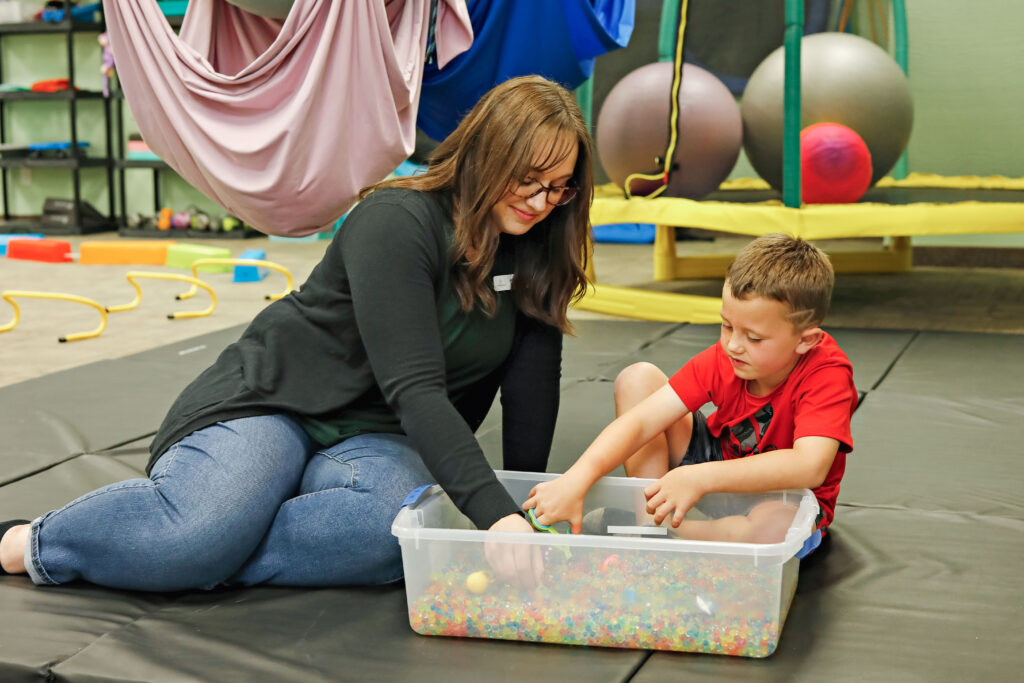
Picky Eating or Sensory Feeding Issues? What Billings Parents Need to Know

A child who abruptly refuses vegetables, pushes away a favorite meal, or insists on eating only a few items is something that every parent has encountered at some point. While many kids go through a time of fussy eating, some feeding difficulties go beyond normal preferences. Your child may be having sensory-related feeding issues that require professional assistance if mealtimes have become stressful.

After months or even years of uncomfortable mealtimes, families looking for pediatric feeding therapy Billings MT frequently seek solutions. Understanding the difference between ordinary picky eating and a sensory feeding disorder children may experience is the first step toward helping your child build a healthier relationship with food.

Is Picky Eating Common or Is There Something More?

Most children go through periods of selective eating, especially during the toddler years. However, persistent feeding challenges that interfere with nutrition, growth, or family life may signal a deeper concern.

Strong reactions to certain tastes, temperatures, smells, or textures are common in children with oral sensory processing difficulties kids. They may become upset by foods that feel “too crunchy,” “too mushy,” or “too slippery,” rather than just rejecting broccoli or carrots.

It might be time to look into pediatric feeding therapy Billings MT options if your child regularly refuses whole food categories, gags throughout meals, or has severe eating anxiety.

Sensory Feeding Disorder Symptoms

A child’s sensory perception of food may be impacted by a sensory feeding disorder children. Typical indicators include:

  • Turning down items based more on texture than flavor
  • Gagging while attempting new meals
  • Consuming just foods with specific hues or temperatures
  • Having trouble swallowing or chewing
  • Getting agitated when served unexpected meals
  • Strong responses to food presentation or scents

Many kids who suffer from oral sensory processing difficulties youngsters are not “stubborn.” Eating is truly challenging for them because of the way their brains receive sensory information.

Recognizing a sensory feeding disorder children early allows families to seek the support they need before feeding challenges become more severe.

Occupational Therapy’s Benefits

When it comes to treating sensory-based feeding issues, occupational therapists are crucial. A therapist who specializes in picky eater OT Montana services assesses the impact of oral development, motor skills, and sensory processing on eating.

The goal of treatment with pediatric feeding therapy Billings MT is to lessen children’s stress and anxiety related to meals while assisting them in becoming more at ease with eating.

Individualized therapy may consist of:

  • Oral motor training
  • Activities involving sensory exploration
  • Gradual exposure to food
  • Coaching for parents
  • Positive mealtime practices

Because picky eater OT Montana programs target the underlying reasons of feeding difficulties rather than just telling kids to “take one more bite,” many families select them.

Comprehending Oral Sensory Processing

Eating can be uncomfortable or overwhelming for some kids who have oral sensory processing disorders kids.

These difficulties could consist of:

  • Reacting excessively to specific food sensations
  • Steer clear of crunchy or chewy foods
  • Having trouble controlling food in the mouth
  • Preferring only soft or smooth foods
  • Being overpowered by a variety of textures

To progressively improve tolerance for various culinary experiences, therapists frequently suggest texture sensitivity therapy children.

Early intervention for oral sensory processing difficulties kids can help youngsters feel more at ease and confident while attempting new meals.

Food Aversion Therapy: What Is It?

Therapists may suggest food aversion therapy children programs when children experience severe food phobias or avoidance.

In contrast to making kids consume strange foods, food aversion therapy children employs positive, gradual exposure to lower anxiety and foster trust.

Sessions could include:

  • Examining novel foods
  • Touching various textures
  • Smelling strange foods
  • Licking or kissing food before tasting it
  • Appreciating little victories

This methodical technique fosters self-assurance in kids without adding to their stress levels during meals.#Improving Mealtime Conduct

Nutrition is not the only aspect of feeding difficulties; the whole family is also impacted.

When looking for mealtime behavior treatment Billings, parents frequently have to cope with:

  • Everyday conflicts during meals
  • Tantrums when eating
  • Fear before to eating
  • Refusing to take a seat at the table
  • Stress in the family over supper

Families may create joyful mealtime experiences, lessen stress, and build beneficial habits with the help of mealtime behavior therapy Billings.

To enhance eating habits and family interactions, therapists frequently integrate feeding interventions with mealtime behavior therapy Billings.

A Sensory Diet for Feeding: What Is It?

Throughout the day, carefully designed sensory exercises are used in a sensory diet eating therapy program to assist kids in controlling their nervous systems.

Examples could be:

  • Excessive work before to meals
  • Exercises involving deep pressure
  • Chewing exercises
  • Breathing techniques
  • Breaks in movement

Children who follow a customized sensory diet feeding therapy plan can feel at ease and prepared to eat when mealtimes come around.

Feeding sessions are more successful for many families when sensory diet feeding therapy is incorporated into everyday routines.

Comprehending Occupational Therapy and ARFID

Some children may fit the criteria for Avoidant/Restrictive Food Intake Disorder (ARFID) because they have feeding difficulties that go beyond fussy eating. A trained healthcare provider should identify ARFID since it is a recognized eating disorder.

ARFID occupational therapy can play a significant role in a child’s care team when it is suitable.

When necessary, ARFID occupational therapy collaborates with doctors, dietitians, psychologists, and speech-language pathologists to enhance sensory tolerance, oral motor skills, and eating participation.

ARFID occupational therapy regimens are highly customized and family-centered because every child is unique.

Aiding Kids with Sensitivity to Textures

Texture preferences, not taste, are the cause of many feeding difficulties.

Occupational therapists gradually assist children in becoming more at ease with the following through texture sensitivity therapy children:

  • Crunchy foods
  • Soft foods
  • A variety of textures
  • Foods that stick
  • Foods that vary in temperature

The purpose of texture sensitivity therapy children is to make kids feel comfortable experimenting with new senses, not to make them eat.

When Should Parents Ask for Assistance?

Don’t wait until mealtimes become stressful if you’re dealing with feeding issues toddler Billings households frequently encounter.

The following are indicators that it’s time to get expert assistance:

  • A small range of approved foods
  • Inadequate weight gain
  • Gagging a lot
  • Severe unwillingness to eat
  • Family meals are impacted by stress
  • Having trouble switching to foods that are age-appropriate

After months of unsuccessful attempts at home, many families turn to feeding difficulties toddler Billings assistance.

Early intervention for feeding difficulties toddler Billings can make a significant difference in a child’s nutrition, confidence, and overall development.

Concluding Remarks

Instead of being a source of continual annoyance, mealtimes could be a chance to interact. While many children experience phases of picky eating, persistent feeding challenges may indicate a sensory feeding disorder children that deserves professional attention.

Early support can help your child develop lifelong healthy eating habits, regardless of whether they have oral sensory processing issues kids , need food aversion therapy children , could benefit from texture sensitivity therapy children , or need specialized pediatric feeding therapy Billings MT.

See an occupational therapist who specializes in picky eater OT Montana , mealtime behavior therapy Billings , sensory diet feeding therapy , and ARFID occupational therapy if you are worried about your child’s feeding development. Your child can develop a more positive relationship with food and acquire confidence at the table with the help of compassionate advice and evidence-based treatment. Call/Text: 406-647-0042

Early Intervention OT in Billings: Why Starting Sooner Makes a Difference

Every milestone—first smiles, first steps, first words, and all the thrilling moments in between—is celebrated by us as parents. However, what happens if a child doesn’t meet those expectations?

Early intervention OT Billings MT treatments can have a profoundly positive impact on children’s lives during their formative years. During infancy and toddlerhood, occupational therapy helps children overcome developmental obstacles, acquire critical skills, and provide a solid basis for success throughout their lives.

Whether you’re exploring infant occupational therapy Montana providers or wondering if your child may benefit from toddler developmental delay therapy, understanding the importance of early intervention is the first step.

Early Intervention Occupational Therapy: What Is It?

The goal of early intervention occupational therapy is to assist young children in acquiring the social-emotional, cognitive, physical, and sensory abilities necessary for daily living.

Therapists deal with kids throughout crucial developmental years when the brain is expanding and changing quickly through early intervention OT Billings MT programs. This is a special time to deal with issues before they become more serious problems.

Services could consist of:

  • Development of motor skills
  • Support for sensory processing
  • Self-care and feeding techniques
  • Development of social interaction
  • Play-based educational activities
  • Parent coaching and education

After observing delays or getting advice from their pediatrician, many families initially look for pediatric OT early childhood therapies.

Recognizing Infants’ Developmental Delay Signs

Early detection of issues is one of the main benefits of early intervention. Even if each kid develops at their own rate, several symptoms of developmental delays in babies may point to the necessity for a professional assessment.

Typical indicators consist of:

  • Minimal eye contact
  • Having trouble eating
  • Rolling, crawling, or sitting slowly
  • Inadequate tone of muscles
  • Having trouble handling toys
  • little desire to engage with other people
  • Unusual responses to movement, sounds, or textures

Early detection of these developmental delay indicators in infants enables families to receive assistance before difficulties impact future development.

Setting up an early childhood occupational therapy evaluation might give you important information and direction if you’re worried about your child’s development.

The Significance of the First Three Years

The first three years of life are a time of extraordinary development. Millions of neuronal connections that affect learning, movement, communication, and emotional control are formed in the brain during this period.

Billings for 0–3 treatment services are crucial because of this.

Because their brains are particularly flexible and sensitive to therapy, children who receive early intervention OT Billings MT help during these formative years frequently see higher benefits.

When services start as soon as developmental issues are discovered, children benefit greatly from early intervention, as evidenced by several studies.

The Benefits of Infant Occupational Therapy

The fact that occupational therapy can start in infancy surprises a lot of parents. In fact, infant occupational therapy Montana programs are specifically designed to support babies who may be experiencing developmental delays, feeding difficulties, sensory challenges, or motor concerns.

Therapists use baby occupational therapy Billings services to assist babies with:

  • Boost the development of motor skills
  • Boost the control of your muscles
  • Improve your ability to process information
  • Encourage swallowing and feeding abilities
  • Promote play that is age-appropriate

In addition to giving parents useful tools and techniques, early help through infant occupational therapy Montana can greatly improve developmental results.

Toddler Developmental Delay Therapy: Building Skills Through Play

Developmental expectations rise as kids get into toddlerhood. The milestones of walking, climbing, talking, and playing become more significant.

Toddler developmental delay therapy can help children learn the skills necessary for success when delays arise.

A typical program for toddler developmental delay therapy might concentrate on:

  • Fine motor abilities
  • Development of gross motor skills
  • Control of the senses
  • Social interaction
  • Focus and attention
  • Everyday living abilities

Many pediatric occupational therapy early childhood sessions include enjoyable, captivating activities that naturally promote skill development because infants learn best via play.

What Takes Place in an Early Childhood Occupational Therapy Assessment?

An early childhood occupational therapy evaluation is frequently the best place to start if you’re worried about your child’s development.

When conducting an assessment, the therapist will:

  • Examine developmental milestones
  • Examine your play talents
  • Evaluate your motor skills
  • Assess the senses.
  • Talk about parental concerns
  • Make personalized suggestions

Early childhood occupational therapy evaluations are useful in identifying areas of strength and potential support.

This assessment opens doors to 0–3 therapy programs, Billings, and other important early intervention resources for a lot of families.

Examining the Early Intervention Program in Montana

Specialized services for young children with developmental difficulties are available to families in Montana.

Therapies, assessments, and developmental services are made available to qualified children and families through the Montana early intervention program.

Families can get assistance through the Montana early intervention program, which could include:

  • Occupational therapy
  • Physical treatment
  • Speech-language pathology
  • Education of the family
  • Developmental evaluations

Coordinated care with pediatric therapists and other healthcare professionals is beneficial to many children who receive services via the Montana early intervention program.

The Advantages of Early Intervention in the Long Run

Early therapy has a lasting effect that goes well beyond infancy and toddlerhood.

Children may benefit from early intervention in the following ways:

  • Enhanced preparedness for school
  • Improved ability to communicate
  • Improved motor skills
  • Greater self-reliance
  • Improved social abilities
  • Increased self-assurance

Children that take part in 0–3 therapy services or receive baby occupational therapy billing services Billings frequently have better basic skills and perform better in learning contexts when they start preschool.

One of the main reasons therapists encourage families to seek treatment as soon as issues occur is because of the long-lasting benefits of early intervention for children.

The Reasons Behind Billings Families’ Selection of Pediatric OT Early Childhood Services

Families looking for early childhood pediatric occupational therapy services want caring experts who are aware of the special requirements of small children.

Skilled therapists offer individualized treatment programs, family-centered care, and evidence-based therapies that promote each child’s development.

Early action can make a huge difference, whether you’re looking for infant occupational therapy Montana, baby occupational therapy Billings, or the Montana early intervention program.

Concluding Remarks

Waiting isn’t always the greatest course of action for a child’s development. Children have more possibilities to learn crucial abilities during their most critical developmental years if support starts earlier.

If you’ve noticed developmental delay signs infants may be experiencing, or if you’re interested in learning more about toddler developmental delay therapy, consider scheduling an early childhood OT evaluation.

Families can get the tools, knowledge, and support they need to support children’s development via early intervention OT Billings MT. Early help today can build a better future tomorrow, from specialized pediatric OT early childhood programs to 0–3 therapy services in Billings. Call us 406-647-0042 or contact us

Top Children’s OT Services in Billings, Montana: Our Complete Guide

Finding the appropriate support can have a significant impact on your child’s growth and development. Families in Billings, Montana, have access to first-rate occupational therapy services that help kids develop self-assurance, independence, and vital life skills.

This comprehensive guide will bring you through all the information you need to make the right choice for your child, whether you’re looking for excellent pediatric care, trustworthy OT near Billings, or successful early intervention therapy.

Pediatric Occupational Therapy: What Is It?

The goal of pediatric occupational therapy is to assist kids in acquiring the skills necessary for daily tasks, such as learning, playing, or self-care. Therapists treat emotional, cognitive, physical, and sensory issues in individualized play-based sessions.

This type of specialized pediatric care helps kids with things like:

  • Writing, cutting, and grasping are examples of fine motor skills.
  • Regulation and processing of senses
  • Emotional and social growth
  • Daily activities such as eating and dressing
  • Concentration, focus, and conduct

Families searching for OT Billings area frequently learn how beneficial these programs can be in assisting kids in reaching significant life milestones.

The Significance of Early Intervention Therapy

The effectiveness of early intervention therapy is among the most crucial things parents should comprehend. A youngster is more likely to establish solid developmental foundations the earlier they receive assistance.

Early assistance can be beneficial:

  • Prevent minor delays from developing into more significant issues
  • Boost involvement and preparedness for school
  • Develop self-assurance and independence
  • Boost your motor and sensory abilities

After observing delays or concerns, many parents start looking for OT near Billings; beginning early intervention therapy can result in quicker, longer-lasting improvement.

What to Look for in the Best OT Services for Children

Not every therapist is the same. It’s crucial to consider quality, experience, and approach while selecting a clinic.

  1. A strong emphasis on pediatric care

Seek out clinics that focus on pediatric care. In contrast to adult therapy, children require a special, play-based approach.

  1. Customized Therapy Programs

Prominent OT near Billings area will customize treatment programs according to your child’s unique strengths, difficulties, and objectives.

  1. The Family-Centered Method

The best treatment doesn’t end in the clinic. Progress at home is reinforced by providers who involve parents in the process.

  1. A focus on early intervention

Clinics that place a high priority on early intervention therapy are aware of how critical it is to respond promptly and successfully throughout critical developmental phases.

Typical Services Provided in Billings

Leading children’s occupational therapists in Billings provide a variety of services tailored to various requirements. These could consist of:

  • Treatment with sensory integration
  • Development of fine and gross motor skills
  • Oral motor therapy and feeding
  • Control of emotions and conduct
  • Programs for school readiness

Finding the best occupational therapist OT near Billings area guarantees that your child will receive focused, efficient care, regardless of whether you’re seeking for more specialized assistance or regular pediatric care.

What to anticipate from therapy

For those who are unfamiliar with occupational therapy, the typical procedure is as follows:

First Assessment

Your child’s growth, abilities, and areas of concern will all be evaluated by a therapist.

Tailored Strategy

A therapy plan is developed based on the evaluation, frequently including early intervention therapy techniques if necessary.

Interesting Counseling Sessions

Kids engage in enjoyable, controlled activities that help them develop skills without feeling like they’re working.

Continuous Progress Reports

Parents are given techniques and feedback on a regular basis to help them make improvement at home.

OT near Billings is a great resource for families because of its methodical yet adaptable approach.

How to Pick the Best OT Near Billings

Here are some pointers to help you select the best supplier out of the many possibilities available:

  • Examine comments and endorsements from other parents.
  • Go to the clinic and take in the surroundings.
  • Find out the credentials and experience of the therapist.
  • Make sure they provide individualized pediatric care.
  • Make sure early intervention treatment is given a lot of attention.

Your child’s success can be greatly impacted by taking the time to select the best clinic.

Concluding Remarks

It doesn’t have to be difficult to find the top occupational therapy services for kids. You may select a provider who meets your child’s requirements with confidence if you have the necessary knowledge and assistance.

Whether you’re seeking trusted pediatric care, exploring options for OT near Billings, or considering early intervention therapy, remember that early support can lead to lifelong benefits.

Billings is home to committed experts that are enthusiastic about fostering children’s development, learning, and success. Additionally, your child can develop the abilities and self-assurance necessary for a successful future with the correct therapy partner. Call/Text: 406-647-0042

Finding a Child OT Near You in Billings: A Quick Guide for Busy Parents

Between school drop-offs, job schedules, and family duties, choosing the proper therapy for your child might feel daunting. If you’ve ever searched “pediatric occupational therapist near me” and felt unsure where to start, you’re not alone.

The good news? Billings offers wonderful options for families looking for caring, high-quality care. This brief guide will help you confidently identify the correct local OT and choose the greatest OT clinic in Billings for your child’s needs—without adding stress to your day.

Why Pediatric Occupational Therapy Matters

Pediatric occupational therapy helps children develop the skills they need for everyday life—at home, in school, and during play. A trained therapist can benefit children who suffer with:

  • Fine motor skills (writing, cutting, buttoning)
  • Sensory regulation and attentiveness
  • Emotional regulation
  • Daily chores like dressing or feeding
  • Transitions and school participation

That’s why so many parents begin their search with “pediatric occupational therapist near me”—they want support that’s both effective and convenient.

What to Look for in a Local OT

Not all therapy providers are the same. When picking a local OT, keep these crucial considerations in mind:

  1. Pediatric Experience

Make sure the therapist specializes in working with children. Pediatric treatment involves a distinct skill set and a play-based approach.

  1. Convenient Location

Choosing an OT clinic in Billings close to home, school, or job makes it simpler to keep consistent with appointments—especially for busy families.

  1. Personalized Care

A competent local OT will take time to learn your child’s strengths, difficulties, and aspirations, building a therapy plan suited directly to them.

  1. Family Involvement

The finest clinics involve parents every step of the way, offering information and techniques to promote success at home.

How to Search Smarter for a Pediatric Occupational Therapist Near Me

When time is limited, efficiency counts. Here are a few clever methods to focus your search for a pediatric occupational therapist near me in Billings:

  • Request referrals from your school or pediatrician.
  • Read online reviews from other parents
  • Visit clinic websites to learn about services and specialties
  • Look for an OT clinic in Billings with a child-friendly setting
  • Call and ask questions regarding evaluations, wait times, and insurance

A little research upfront can save you time—and frustration—later.

What to Expect at an OT Clinic in Billings

Once you choose an OT clinic in Billings, the procedure normally begins with an evaluation. During this visit, the therapist will examine your child’s growth and discuss concerns with you.

From there, your local OT will build a specific therapy plan that may include:

  • Play-based activities
  • Sensory integration methods
  • Fine and gross motor skill development
  • Emotional and behavioral support
  • Parent education and home workouts

The purpose of the entertaining and upbeat sessions is to make kids feel at ease and inspired.

Why Staying Local Makes a Big Difference

Selecting a local OT entails more than just convenience; it also entails developing a rapport with a provider who is familiar with the Billings community and your family’s way of life. Families that engage with a nearby OT clinic in Billings frequently find it easier to be consistent, which leads to better outcomes for their child.

And when therapy fits neatly into your schedule, everyone benefits.

Concluding remarks

Finding the appropriate pediatric occupational therapist near me doesn’t have to be complicated—even for busy parents. By choosing a reputable local OT and a welcoming OT clinic in Billings, you’re giving your child the assistance they need to grow, thrive, and acquire confidence in everyday life.

If you’re ready to take the next step, reach out to a local clinic for an evaluation. The appropriate help may be closer—and easier—than you think. Contact us Call/Text: 406-647-0042

Sensory Processing Disorder in Children: When to Call a Therapist in Billings

Sensory Play, Occupational Therapy

Children learn about the world through their senses: sight, hearing, touch, taste, and movement. But for some kids, these normal feelings might be too much or too confusing. This might be a sign of Sensory Processing Disorder (SPD), which is a disorder that changes how the brain processes sensory information.

More and more parents in Billings are looking for professional help, such as sensory therapy and advice from a qualified occupational therapist for SPD, to help their kids deal with sensory issues and do well in everyday life.

What is Sensory Processing Disorder (SPD)?

When a child’s brain has trouble processing and responding to sensory input, they have SPD. Kids with SPD could react too strongly to some things or not as all to others. A youngster may do something like:

  • Cover their ears when they hear ordinary sounds
  • Stay away from particular foods or textures
  • Always fidget or move around
  • Have trouble with balance or coordination

These problems can make it hard to study, get along with others, and do everyday things, so it’s important to get help as soon as possible.

Signs Your Child Might Need Sensory Therapy

Not all kids who are sensitive to noises or textures have SPD, but if they keep having problems, they might want to see a occupational therapist for SPD. Some common indicators are:

  • Overreacting to light, sound, touch, or movement
  • Having trouble with clothes, shoes, or textures
  • Having trouble with changes in routine or transitions
  • Having trouble focusing in school or finishing work
  • Having meltdowns or being upset often in places with a lot of sensory input

If you see a lot of signs that are consistently affecting your child’s daily life, it’s time to think about getting a professional evaluation.

How sensory therapy helps kids with SPD

Sensory therapy is a type of occupational therapy that helps kids learn how to interpret and respond to sensory information in a balanced way. Some of the main benefits are:

1. Better integration of the senses

Therapists make planned exercises that slowly introduce kids to sensory sensations. This helps people not overreact to things and get used to everyday experiences.

2. Better daily functioning

Kids learn how to do things that used to be too hard for them, like dressing, eating, or playing on the playground, via sensory therapy.

3. Controlling Your Emotions and Making Friends

A lot of kids with SPD have trouble with anxiousness or irritability. Targeted treatment helps children learn to understand their triggers and come up with ways to deal with them, which makes them more confident and better at socializing.

The Job of an Occupational Therapist for SPD

A professional occupational therapist for SPD gives you tailored help and advice. Their method often includes:

  • A full evaluation of sensory strengths and weaknesses
  • Personalized therapy programs to meet each child’s unique requirements
  • Fun and play-based activities to improve sensory abilities
  • Working together with parents, teachers, and caregivers to make sure growth is steady

When kids engage with a professional, they learn how to deal with sensory issues in a way that makes things better at home and at school.

When to Call a Therapist in Billings

If parents are having trouble with any of the following, they might think about getting professional help:

  • The child’s conduct is always disruptive or upsetting
  • Their coordination, balance, or motor abilities are delayed
  • Their schoolwork or social relations are noticeably affected

Early help may make a big impact, and sensory therapy works best when it is designed for each child’s specific requirements.

Getting the Right Help in Billings

Billings has a developing network of professionals that know how to provide occupational treatment for SPD. Think about the following while picking a therapist:

  • Experience working with kids and training in sensory integration
  • A fun and welcoming space for kids
  • Working together with families and teachers
  • Clear communication about treatment goals and progress

Finding the proper therapist makes sure your child gets the help they need to do well.

Final Thoughts

Sensory Processing Disorder (SPD) can make life hard for kids every day, but the correct support can help them do well. Children can learn how to move about their world with confidence, independence, and joy via sensory therapy taught by a qualified occupational therapist for SPD.

Don’t delay if your child displays indications of SPD. Early assistance in Billings may help them grow and succeed, which will help them enjoy life to the fullest. Contact us.